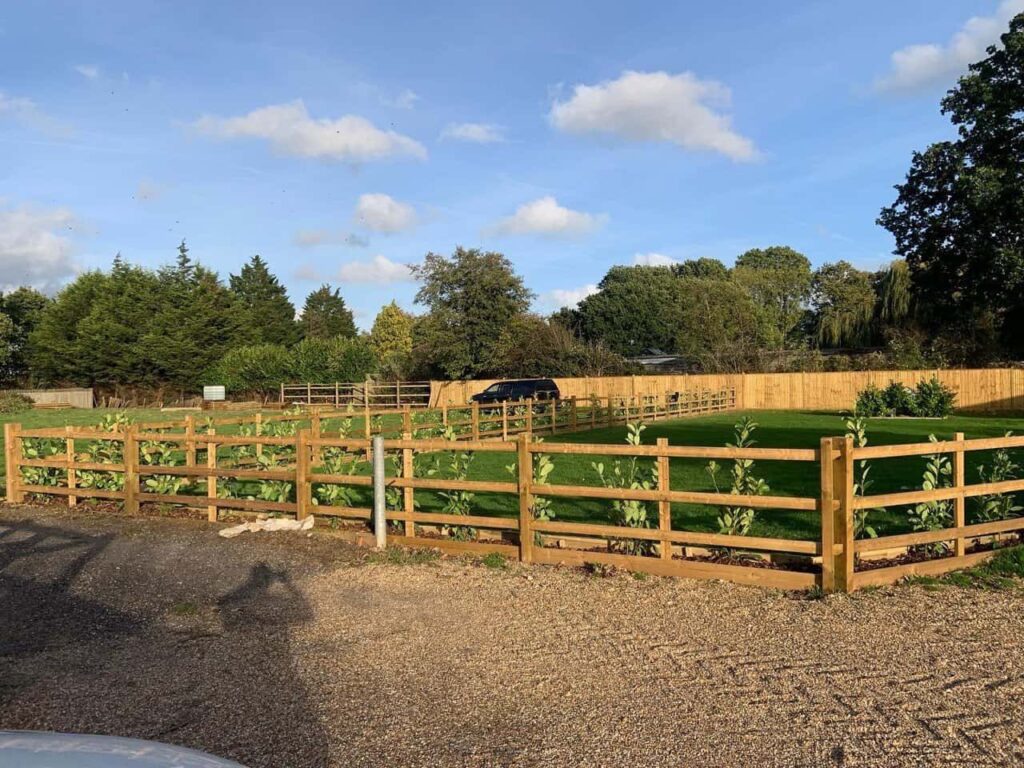
How to Keep Minor Fence Damage From Spreading
A fence is exposed to the elements every day, protecting your property while defining boundaries, improving privacy, and enhancing the appearance of your garden. Over time, even a well-built fence may develop minor issues through normal wear and tear. Although small defects may seem insignificant, ignoring them often allows damage to spread, resulting in larger repairs or the need for complete replacement.
For homeowners in Fordham, Cambridge, recognising and addressing minor fencing problems early is the best way to maximise the lifespan of your investment.
Why Small Problems Should Never Be Ignored
Fence damage rarely stays the same. What starts as a loose board or leaning post can gradually affect neighbouring panels and weaken the entire structure.
Early repairs help:
- Maintain the fence’s strength
- Prevent further deterioration
- Preserve the appearance of your property
- Extend the life of the fencing
- Reduce the amount of repair work required later
Routine inspections make it easier to spot these issues before they become more serious.
Check Your Fence Regularly
Many homeowners only notice fence damage after severe weather, but regular visual inspections can reveal problems much sooner.
Look out for:
- Loose or damaged panels
- Leaning fence posts
- Cracked timber
- Missing fixings
- Signs of movement
- Rot or decay near the base of posts
Identifying these issues early allows repairs to be completed before the damage spreads.
Repair Loose Boards Promptly
Fence boards naturally expand and contract as weather conditions change. Over time, fixings may loosen, allowing individual boards to move.
Loose boards place additional strain on surrounding sections of the fence and can eventually become detached during strong winds.
Prompt repairs help restore stability and prevent further movement.
Deal with Leaning Posts
Fence posts provide the structural support for the entire installation. If a post begins to lean, it can quickly affect several panels rather than just one section.
Common causes include:
- Ground movement
- Age-related deterioration
- Weather damage
- Poor drainage
- Natural wear
Professional repairs restore proper alignment and help prevent wider structural problems.
Remove Vegetation Around the Fence
Overgrown plants, climbing vegetation, and dense shrubs can place unnecessary pressure on fencing while trapping moisture against timber.
Keeping vegetation under control helps:
- Improve airflow
- Reduce damp conditions
- Allow easier inspections
- Prevent unnecessary strain on fence panels
This simple maintenance task can significantly improve the lifespan of wooden fencing.
Address Rot Before It Spreads
Timber fencing can develop areas of decay if moisture is allowed to remain for long periods.
Early signs of rot include:
- Soft timber
- Discolouration
- Crumbling wood
- Splitting
Treating or replacing affected sections promptly helps stop the problem spreading to surrounding components.
Tighten Loose Fixings
Fence panels rely on secure fixings to remain stable. Nails, screws, and brackets can gradually loosen due to repeated movement caused by wind and changing weather.
Checking and tightening these fixings periodically helps maintain the overall strength of the fence.
Repair Storm Damage Quickly
Strong winds can loosen panels, weaken posts, or cause small cracks that may not appear serious at first.
Following severe weather, inspect your fence for:
- Slight movement
- Cracked rails
- Loose panels
- Minor impact damage
Early repairs prevent these small issues from developing into larger structural failures.
Professional Repairs Deliver Better Long-Term Results
Although some minor issues appear straightforward, effective fence repairs require experience to ensure the structure remains strong and properly aligned.
At Fast Fix Fencing Fordham, we provide professional fencing repairs throughout Fordham, Cambridge. Our experienced team carefully assesses the condition of every fence and carries out repairs that restore both its appearance and structural integrity.
Preventative Maintenance Protects Your Investment
The most cost-effective way to maintain fencing is through preventative care rather than waiting until significant damage occurs.
Regular maintenance includes:
- Inspecting posts and panels
- Clearing vegetation
- Checking fixings
- Repairing small defects promptly
- Arranging professional inspections when required
These simple steps help keep fencing performing reliably for many years.
Conclusion
Minor fence damage is much easier to repair than widespread structural problems. Loose boards, leaning posts, damaged fixings, and early signs of rot should all be addressed promptly to prevent the damage spreading throughout the fence.
For homeowners in Fordham, Cambridge, regular inspections and professional repairs help preserve the appearance, strength, and longevity of their fencing.
If your fence is showing signs of wear or minor damage, Fast Fix Fencing Fordham can provide expert advice and professional repair services tailored to your property’s needs. Taking action early is the best way to keep your fence secure, attractive, and performing at its best for years to come.
Call us on: 01638 316 193
Click here to find out more about Fast Fix Fencing Fordham
Click here to complete our contact form and see how we can help with your fencing needs.